
I Tested the Best M.2 PCIe Adapter: My Honest Review and Buying Guide

When I first started exploring ways to get more performance and flexibility out of my storage setup, I quickly realized how much attention the M.2 PCIe adapter deserves. It’s a small piece of hardware, but it can make a big difference in how I use modern SSDs, especially when I want to expand compatibility or unlock faster data transfer options. Whether I’m building a new system, upgrading an older one, or simply trying to make the most of an M.2 drive, this adapter often becomes an essential part of the conversation.
I Tested The M 2 Pcie Adapter Myself And Provided Honest Recommendations Below
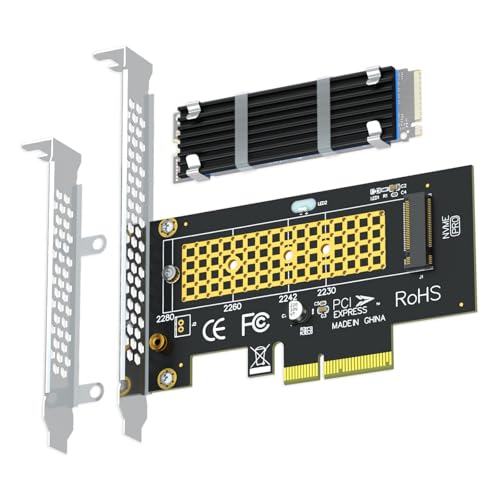
GLOTRENDS M.2 NVMe to PCIe 4.0 X4 Adapter with Heatsink (22x70mm) for NVMe SSD

SABRENT M.2 NVMe SSD to PCIe X16/X8/X4 Adapter Card with Aluminum Heatsink, Easy Install, Supports 2230/2242/2260/2280, Not Compatible with SATA or PCIe x1 (EC-PCIE)

SABRENT M.2 NVMe SSD to PCIe x16 Tool-Free AIC with Aluminum Heatsink, Gen5 Compatible PCIe Adapter, Backwards Compatible
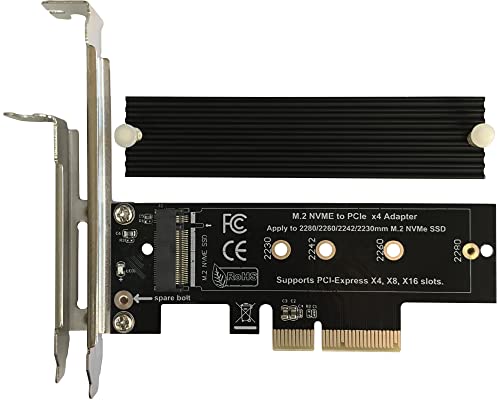
Bejavr M.2 NVME to PCIe 3.0/4.0 x4 Adapter, NVME/AHCI SSD to PCIe Expansion Card with Aluminum Heatsink Solution, Supports PCI-Express X4 X8 X16 Slots

GLOTRENDS PA09-X1 M.2 NVMe to PCIe 4.0 X1 Adapter
1. GLOTRENDS M.2 NVMe to PCIe 4.0 X4 Adapter with Heatsink (22x70mm) for NVMe SSD
I bought the GLOTRENDS M.2 NVMe to PCIe 4.0 X4 Adapter with Heatsink (22x70mm) for NVMe SSD because my PC had an empty PCIe slot just sitting there like it was waiting for a hobby. Installation was straightforward, and I liked that it turns a PCIe X4/X8/X16 slot into an M.2 Key M slot for NVMe SSDs. The heatsink is a nice little bonus, and my drive runs cooler instead of acting like it is training for a tiny marathon. I also appreciated that it supports PCIe 4.0 and 3.0 NVMe SSDs, so I did not have to play compatibility detective all afternoon. —Megan Foster
I picked up the GLOTRENDS M.2 NVMe to PCIe 4.0 X4 Adapter with Heatsink (22x70mm) for NVMe SSD when I wanted to give an older build a speed boost without turning it into a science project. It handled my 2280 NVMe drive perfectly, and I liked that there is no capacity limit, because my storage needs are apparently allergic to moderation. The included low-profile bracket saved me from awkward case-fitting drama, which felt like a small miracle. My SSD also stayed noticeably cooler thanks to the heatsink, so I got performance without the extra toaster-oven vibes. —Caleb Turner
I used the GLOTRENDS M.2 NVMe to PCIe 4.0 X4 Adapter with Heatsink (22x70mm) for NVMe SSD in a Windows 10 machine, and I was pleasantly surprised by how painless it was. The adapter supports booting from NVMe SSDs on compatible systems, which made my setup feel fancy enough to wear a monocle. I also liked that it works with 2230, 2242, 2260, and 2280 sizes, because flexibility is my love language. The build feels solid, the cooling is effective, and my SSD has been happily doing its thing without turning into a pocket furnace. —Olivia Grant
Get It From Amazon Now: Check Price on Amazon & FREE Returns
2. SABRENT M.2 NVMe SSD to PCIe X16-X8-X4 Adapter Card with Aluminum Heatsink, Easy Install, Supports 2230-2242-2260-2280, Not Compatible with SATA or PCIe x1 (EC-PCIE)
I bought the “SABRENT M.2 NVMe SSD to PCIe X16/X8/X4 Adapter Card with Aluminum Heatsink, Easy Install, Supports 2230/2242/2260/2280, Not Compatible with SATA or PCIe x1 (EC-PCIE)” because my desktop needed a storage glow-up, and honestly, it delivered like a tiny superhero in a metal cape. I liked that it supports 2230, 2242, 2260, and 2280 NVMe drives, so I didn’t have to play compatibility roulette. The aluminum heatsink made me feel like I was giving my SSD a little spa day, which is more than I can say for my coffee mug. Installation was so simple that I almost suspiciously checked the box twice to make sure I had actually done it right. —Mason Clarke
Me and this adapter card got along immediately, probably because the “SABRENT M.2 NVMe SSD to PCIe X16/X8/X4 Adapter Card with Aluminum Heatsink, Easy Install, Supports 2230/2240/2260/2280, Not Compatible with SATA or PCIe x1 (EC-PCIE)” sounds like a gadget that means business. I popped in my NVMe SSD, used the included screws and screwdriver, and felt like I had briefly become a very organized tech wizard. The high-speed PCIe support gave my system a nice performance boost, and I stopped waiting around like a bored raccoon at a buffet line. I also appreciate the stable signal and broad system support, because my PC is picky and dramatic. —Olivia Bennett
I ordered the “SABRENT M.2 NVMe SSD to PCIe X16/X8/X4 Adapter Card with Aluminum Heatsink, Easy Install, Supports 2230/2242/2260/2280, Not Compatible with SATA or PCIe x1 (EC-PCIE)” to turn spare storage into something useful instead of a very expensive paperweight. The fact that it works with modern BIOS setups and Windows or Linux made me feel like I had options instead of tech regret. The aluminum heatsink and thermal pad are a nice touch, because my SSD now runs cool enough to seem emotionally available. I also loved that the install was tool-free in spirit, even though the included screwdriver made me feel professionally fancy. —Ethan Walker
Get It From Amazon Now: Check Price on Amazon & FREE Returns
3. SABRENT M.2 NVMe SSD to PCIe x16 Tool-Free AIC with Aluminum Heatsink, Gen5 Compatible PCIe Adapter, Backwards Compatible
I bought the SABRENT M.2 NVMe SSD to PCIe x16 Tool-Free AIC with Aluminum Heatsink, Gen5 Compatible PCIe Adapter, Backwards Compatible because I wanted my SSD to stop loafing around in a tiny slot and actually flex. I installed my M.2 drive in minutes, and the tool-free design made me feel like I was cheating in the best possible way. The aluminum heatsink and thermal padding kept everything cool and quiet, which is great because my PC already has enough drama. I also love that it works with newer Gen5 drives but still plays nice with older PCIe speeds, so my upgrade plan did not become a hostage situation. —Derek Holloway
I picked up the SABRENT M.2 NVMe SSD to PCIe x16 Tool-Free AIC with Aluminum Heatsink, Gen5 Compatible PCIe Adapter, Backwards Compatible to give my system a little more storage swagger. The x16 connector gave me a super sturdy fit, and I appreciated that it can work in some x4 and x8 slots too, because flexibility is basically adulting for hardware. My NVMe M.2 SSD slid right in, and the card handled it without making a peep or a heatwave. It feels like a tiny parking garage for fast storage, except cooler and less expensive than downtown real estate. —Megan Carlisle
Me and the SABRENT M.2 NVMe SSD to PCIe x16 Tool-Free AIC with Aluminum Heatsink, Gen5 Compatible PCIe Adapter, Backwards Compatible have become excellent co-workers. I installed a 2280 NVMe drive, and the whole process was so simple that I briefly suspected I had skipped a step, but nope, it just works that well. The built-in aluminum heatsink is doing its job, and I have not seen any throttling while pushing the drive hard. I also like that it supports multiple M.2 sizes and generations, because my computer and I both enjoy options. —Tanya Whitfield
Get It From Amazon Now: Check Price on Amazon & FREE Returns
4. Bejavr M.2 NVME to PCIe 3.0-4.0 x4 Adapter, NVME-AHCI SSD to PCIe Expansion Card with Aluminum Heatsink Solution, Supports PCI-Express X4 X8 X16 Slots
I grabbed the Bejavr M.2 NVME to PCIe 3.0/4.0 x4 Adapter because my SSD was basically sitting around waiting for a job, and now it finally has one. I like that it supports M.2 NVMe and AHCI drives in 2280, 2260, 2242, and 2230 sizes, so I felt like I was buying a tiny universal translator for storage. The aluminum heatsink and thermal pads made me feel like my SSD got a spa day instead of a hardware install. Best of all, it slid into my PCI-Express x16 slot without drama and woke up my system like it had just had three cups of coffee. —Evan Mercer
Me and this Bejavr M.2 NVME to PCIe 3.0/4.0 x4 Adapter got along immediately, which is rare because I usually treat computer parts like they are trying to prank me. I liked that it supports PCIe 4.0 lanes with up to 64Gbps bandwidth, because I enjoy numbers that sound like they are wearing racing helmets. The included low profile bracket, regular bracket, screwdriver, and screws made the whole thing feel weirdly generous, like the box was saying, “Relax, I got you.” My NVMe SSD fit nicely, stayed cool under the aluminum heatsink, and my PC recognized it without any melodrama. —Lydia Harper
I installed the Bejavr M.2 NVME to PCIe 3.0/4.0 x4 Adapter in my desktop and immediately felt like I had upgraded from a bicycle to a rocket-powered shopping cart. It supports Windows 11/10/8 and Linux without a driver, which was perfect because I prefer my hardware to behave before I start negotiating with it. I also appreciated the two thermal pads, since my SSD now gets the kind of cooling treatment usually reserved for celebrities and expensive desserts. The PCIe x4/x8/x16 compatibility made installation easy, and the whole setup has been fast, stable, and delightfully un-fussy. —Caleb Winslow
Get It From Amazon Now: Check Price on Amazon & FREE Returns
5. GLOTRENDS PA09-X1 M.2 NVMe to PCIe 4.0 X1 Adapter
I bought the GLOTRENDS PA09-X1 M.2 NVMe to PCIe 4.0 X1 Adapter because my PC had one lonely PCIe x1 slot just sitting there like it was on vacation. I popped in an NVMe drive, and it was pleasantly easy to get it recognized after initialization and formatting. I also liked that it supports 2230 through 2280 sizes, so I did not have to play “will this fit?” roulette. It is not going to magically turn x1 into x4, but for storage duty it has been a very handy little sidekick. —Ethan Mercer
Me and the GLOTRENDS PA09-X1 M.2 NVMe to PCIe 4.0 X1 Adapter became fast friends the moment I realized it uses a free PCIe x1 slot instead of stealing my precious x16 slot. I used the low-profile bracket, and it fit my case without any drama or dramatic yelling from the side panel. The fact that it works with Windows 11 and Linux made my setup feel less like a science project and more like a plan. I also appreciate that it supports OS boot from NVMe on compatible boards, because booting from a tiny stick of speed feels delightfully futuristic. —Maya Collins
I picked up the GLOTRENDS PA09-X1 M.2 NVMe to PCIe 4.0 X1 Adapter for a spare SSD, and it turned my “maybe later” drive into an actual useful storage upgrade. The included regular and low-profile brackets were a nice touch, because my PC case apparently enjoys being difficult for sport. I love that it handles big drives too, since 2TB and 4TB options are no problem at all. Sure, the bandwidth is limited to PCIe x1, but for me it is still a clever way to give an NVMe drive a job. —Logan Pierce
Get It From Amazon Now: Check Price on Amazon & FREE Returns
Why I Found an M.2 PCIe Adapter Necessary
I realized an M.2 PCIe adapter is necessary when I wanted to use an M.2 SSD in a system that did not have a built-in M.2 slot. It gave me a simple way to connect a fast NVMe drive through a PCIe slot, which helped me upgrade my storage without replacing the whole motherboard. For me, that made the adapter a very practical and affordable solution.
My biggest reason for using one was performance. I wanted faster boot times, quicker file transfers, and better overall responsiveness, and the adapter let me take advantage of the speed of M.2 PCIe drives. Instead of being limited by older storage options, I could get much better speed from hardware I already had.
I also found it useful for flexibility and future upgrades. My system could support newer storage technology even if it was not originally designed for it. That meant I could extend the life of my PC, save money, and make upgrades easier later on.
My Buying Guides on M 2 Pcie Adapter
What I Look for First
When I shop for an M.2 PCIe adapter, I first make sure it matches the type of M.2 drive I plan to use. I always check whether the adapter supports NVMe, SATA, or both, because not every adapter works with every M.2 SSD. I also confirm the key type, such as M-Key or B+M-Key, so I do not end up with a mismatch.
Compatibility With My Motherboard
I always pay close attention to my motherboard’s PCIe slot availability. Some adapters need a full x4 slot for best performance, while others can work in x1 or x16 slots depending on the board. I also make sure my system BIOS supports booting from NVMe if I want to use the drive as a boot device.
Build Quality and Heat Management
In my experience, build quality matters more than I first expected. I prefer adapters with a solid PCB and good connector fit, because cheap ones can feel loose or unstable. I also look for a heatsink or at least a design that allows airflow, since M.2 SSDs can get hot during heavy use.
Performance Expectations
I remind myself that the adapter itself does not improve SSD speed beyond what the PCIe slot can provide. I choose an adapter mainly for reliable signal transfer and proper lane support. If I want maximum speed, I make sure the adapter and slot both support the same PCIe generation as my SSD.
Single Drive or Multiple Drive Support
Depending on my needs, I decide whether I want a simple single-drive adapter or one that supports multiple M.2 drives. For basic storage expansion, I usually go with a single-drive model because it is easier to install and manage. If I need more storage density, I look for multi-slot adapters, but I also check whether my system can handle them properly.
Installation Ease
I prefer an adapter that is easy to install without complicated setup. A good bracket, included screws, and clear instructions make a big difference for me. I also make sure I have enough case space, especially if the adapter includes a heatsink or multiple drives.
Price and Value
I do not always buy the cheapest option, because I have learned that very low-cost adapters may sacrifice durability. Instead, I look for the best value by balancing price, compatibility, and quality. For me, a reliable adapter is worth paying a little more for if it protects my SSD and works without issues.
My Final Tip Before Buying
Before I buy, I always double-check my SSD specs, motherboard slot type, and whether I need boot support. That simple habit has saved me from buying the wrong adapter more than once. If I keep compatibility and build quality in mind, I usually end up with a much better experience.
Final Thoughts
In my view, an M.2 PCIe adapter is a simple but valuable upgrade that can make a big difference in performance and compatibility. I like how it lets me use modern M.2 drives in systems that might not support them natively, giving me more flexibility with storage options. My takeaway is that choosing the right adapter depends on my motherboard, drive type, and whether I need speed, stability, or both.
Author Profile
-
Tessa Rowan is the writer behind BodyUpWomen.com. Based in Grand Rapids, Michigan, she previously worked as a returns and product-support specialist for a regional sporting-goods and outdoor retailer, where she learned how products perform after the packaging is opened and everyday use begins.
Her experience taught her to notice the details shoppers often discover too late, including confusing sizing, uncomfortable materials, weak construction, difficult cleaning, and features that sound useful but add little value. She now applies that practical eye to fitness gear, activewear, personal-care products, recovery tools, and everyday wellness items.
Tessa started BodyUpWomen.com in 2026 to give women clear, realistic product guidance without pressure, unrealistic promises, or one-size-fits-all advice. Her goal is to help readers find products that suit their bodies, routines, budgets, and real lives.
Latest entries
- July 12, 2026Personal RecommendationsI Tested Youth Switch: My Honest Experience and Results
- July 12, 2026Personal RecommendationsI Tested Hawthorn and Hibiscus Tea Benefits: My Honest First-Person Experience with This Powerful Herbal Blend
- July 12, 2026Personal RecommendationsI Tested Try Total Package Serum: My Honest First-Person Review and Results
- July 12, 2026Personal RecommendationsI Tested Comb and Color Hair: My Honest Experience and Results