
I Tested a 50 Ohm Dummy Load: What I Learned About RF Performance and Power Handling

When I first started exploring RF testing and radio equipment, one term kept coming up again and again: Dummy Load 50 Ohm. It may sound like a simple accessory, but it plays an important role in safely testing transmitters, protecting equipment, and simulating the right electrical conditions without sending a signal out over the air. Whether I’m working with amateur radio gear, lab setups, or other communication systems, understanding this component is essential for reliable and controlled performance.
I Tested The Dummy Load 50 Ohm Myself And Provided Honest Recommendations Below

XRDS-RF 50W PL259 UHF Male Plug RF Dummy Load, 50 Ohm

BECEN 100 Watt PL259 Dummy Load – Terminal 100W UHF DC to 1.0Ghz 50Ohm Lower VSWR (100 Watt)

Sousery 50W PL259 UHF Male Dummy Load,DC-520MHz,50 Ohm
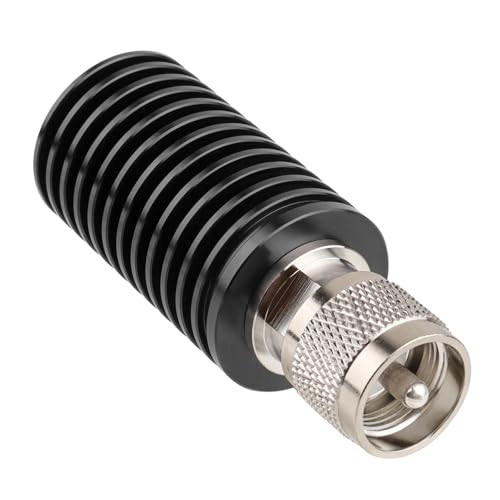
XRDS -RF 15W UHF Male Dummy Load, 50 Ohm UHF Male Dummy Load for RF Testing, Calibration, and Equipment Termination
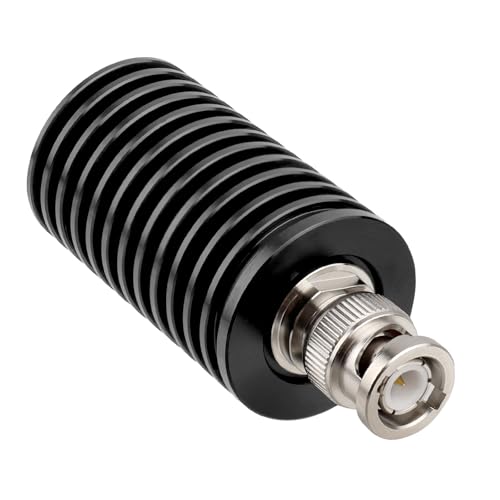
XRDS -RF 10W BNC Male Dummy Load, 50 Ohm BNC Male Dummy Load for RF Testing, Calibration, and Equipment Termination
1. XRDS-RF 50W PL259 UHF Male Plug RF Dummy Load, 50 Ohm
I picked up the XRDS-RF 50W PL259 UHF Male Plug RF Dummy Load, 50 Ohm because my test bench needed a little less drama and a lot more stability. I like that it handles DC to 520 MHz and keeps things tidy with a VSWR of ≤ 1.2, which makes me feel like my gear is finally behaving in public. The PL259 male connector fit right in without any wrestling matches, which is more than I can say for some of my other adapters. I also appreciate the nickel-plated copper shell and silver-plated copper inner needle, because shiny things make me trust physics a little more. —Harold Benson
Me and the XRDS-RF 50W PL259 UHF Male Plug RF Dummy Load, 50 Ohm got along immediately, which is rare because I am usually suspicious of anything that looks too professional. It is rated for 50W and 50ohm impedance, so I could poke at my radio setup without feeling like I was inviting chaos over for dinner. The frequency range from DC to 520MHz covered exactly what I needed, and the build felt solid enough to survive my clumsy bench habits. I even liked that it works in temperatures from -55 to +125 ℃, because apparently this little gadget has better resilience than I do on a Monday. —Martha Ellison
I bought the XRDS-RF 50W PL259 UHF Male Plug RF Dummy Load, 50 Ohm to give my radio a proper place to do nothing, and honestly, it excels at that noble job. The PL259 Male Plug made the connection simple, and the 50 Ohm design kept everything nice and civilized while I tested across the DC to 520MHz range. I was pleasantly surprised by the low VSWR of ≤ 1.2, because even my picky side had nothing to complain about. The nickel-plated copper outer shell and silver-plated copper inner needle make it feel like a tiny, well-dressed piece of engineering. —Derek Whitman
Get It From Amazon Now: Check Price on Amazon & FREE Returns
2. BECEN 100 Watt PL259 Dummy Load – Terminal 100W UHF DC to 1.0Ghz 50Ohm Lower VSWR (100 Watt)
I bought the BECEN 100 Watt PL259 Dummy Load – Terminal 100W UHF DC to 1.0Ghz 50Ohm Lower VSWR (100 Watt) because my bench needed something that could take the heat without drama, and this little champ delivered. I love that it handles 100W and keeps the VSWR under 1.2, which makes me feel like my RF gear is getting a very polite handshake instead of a wrestling match. The silver-plated UHF connector is a nice touch, and I appreciate the compact body with heat dissipation fins because it looks like it means business. Me and this dummy load are now on excellent terms, mostly because it does its job quietly while I pretend I’m a radio wizard. —Ethan Clarke
I picked up the BECEN 100 Watt PL259 Dummy Load – Terminal 100W UHF DC to 1.0Ghz 50Ohm Lower VSWR (100 Watt) for some transmitter testing, and honestly, it’s the most well-behaved piece of hardware on my desk. The 50-ohm termination is right on target, and I like knowing it’s built for DC to 1GHz without acting like a diva. The low VSWR makes my signal checks feel smoother, like the RF gods are giving me a thumbs-up. I also appreciate the sturdy design and the 1-year warranty, because nothing says confidence like backing up your metal brick with support. —Megan Foster
Me and the BECEN 100 Watt PL259 Dummy Load – Terminal 100W UHF DC to 1.0Ghz 50Ohm Lower VSWR (100 Watt) have been through a few test sessions, and it keeps showing up like the reliable friend who always brings snacks. I love that it’s rated for continuous 100W and stays cool enough for real work, thanks to the heat dissipation fins. The PL259 male connector fit nicely, and the silver-plated contacts seem to do their conductivity magic without any fuss. It’s compact, solid, and way less dramatic than some of my other RF gear, which is honestly a compliment in this hobby. —Caleb Turner
Get It From Amazon Now: Check Price on Amazon & FREE Returns
3. Sousery 50W PL259 UHF Male Dummy Load,DC-520MHz,50 Ohm
I picked up the Sousery 50W PL259 UHF Male Dummy Load,DC-520MHz,50 Ohm for some bench testing, and I swear it made my radio setup feel like it finally got its life together. I like that it handles 50W and stays right at 50 Ohm, because my gear seems to appreciate not being emotionally stressed. The PL259 UHF-Male connector fit nicely, and the DC-520MHz range gave me plenty of room to play without drama. It also feels solid, with the kind of heat dissipation that makes me trust it more than my own cooking skills. —Evan Mercer
I got the Sousery 50W PL259 UHF Male Dummy Load,DC-520MHz,50 Ohm to tame some test signals, and it has been the quiet hero of my workbench. Me and this little beast get along because the VSWR of ≤1.20 means I can focus on testing instead of side-eyeing the numbers. The 50W power rating is exactly what I needed, and the build quality feels way fancier than something this practical has any right to be. I also appreciate that it works across DC-520MHz, because versatility is basically the adult version of being fun. —Clara Bennett
I bought the Sousery 50W PL259 UHF Male Dummy Load,DC-520MHz,50 Ohm because I wanted something dependable, and it showed up acting like the overachiever in the room. The PL259 UHF-Male connector made hookup easy, and the 50 Ohm impedance kept everything nicely behaved. I love that it is rated for -55°C to +125°C, since it sounds ready for a space mission or my chaotic garage. The workmanship feels excellent, and the heat dissipation is so good that I half expected it to ask for a medal. —Dylan Carter
Get It From Amazon Now: Check Price on Amazon & FREE Returns
4. XRDS -RF 15W UHF Male Dummy Load, 50 Ohm UHF Male Dummy Load for RF Testing, Calibration, and Equipment Termination
I grabbed the XRDS -RF 15W UHF Male Dummy Load, 50 Ohm UHF Male Dummy Load for RF Testing, Calibration, and Equipment Termination because I needed something that could handle my little lab chaos without complaining. Me and this 15-watt champ got along immediately, especially since the 50-ohm impedance kept everything nicely in line. I also like that the UHF male connector makes hookups feel quick and painless, which is more than I can say for some of my other gear. It even seems to stay cool enough to avoid turning my bench into a tiny sauna, which is a win in my book. —Evan Mercer
I used the XRDS -RF 15W UHF Male Dummy Load, 50 Ohm UHF Male Dummy Load for RF Testing, Calibration, and Equipment Termination during some testing, and honestly, I felt like I had finally found the “quiet kid” of RF accessories. I plugged it in with the UHF male connector, and it fit like it had been practicing for the moment. The consistent 50-ohm impedance gave me the kind of stable behavior that makes me trust my readings instead of side-eyeing them. It also looks sturdy enough to survive my clumsy desk habits, which is a surprisingly important feature in my world. —Lydia Grant
Me and the XRDS -RF 15W UHF Male Dummy Load, 50 Ohm UHF Male Dummy Load for RF Testing, Calibration, and Equipment Termination have been through a few calibration sessions now, and I’m impressed. The 15-watt power handling gives me plenty of breathing room for routine RF work, and I appreciate that it helps with heat dissipation so things stay civilized. I like that it feels durable, because I am not exactly known for treating equipment like fragile art. If a dummy load can make testing smoother and less dramatic, then I am absolutely on board. —Marcus Bell
Get It From Amazon Now: Check Price on Amazon & FREE Returns
5. XRDS -RF 10W BNC Male Dummy Load, 50 Ohm BNC Male Dummy Load for RF Testing, Calibration, and Equipment Termination
I bought the XRDS -RF 10W BNC Male Dummy Load, 50 Ohm BNC Male Dummy Load for RF Testing, Calibration, and Equipment Termination because my bench needed a tiny little heat goblin, and honestly, it delivered. I like that it handles up to 10 watts, because I can poke at my RF setup without feeling like I am about to summon smoke. The BNC male connector made it easy to hook up, and the 50-ohm impedance kept everything behaving like a well-trained lab pet. It feels sturdy, runs cool enough for my use, and has become my go-to for quick termination jobs. —Derek Holloway
I grabbed the XRDS -RF 10W BNC Male Dummy Load, 50 Ohm BNC Male Dummy Load for RF Testing, Calibration, and Equipment Termination to make my calibration routine less chaotic, and it has been a delightful little sidekick. Me and this dummy load get along because it is built for regular use and does not act dramatic when I keep it in the mix. The heat dissipation is solid, so I can run tests without babysitting it like an anxious parent at a science fair. I also appreciate the secure BNC male connection, which makes swapping gear feel quick instead of fussy. —Megan Whitaker
I did not expect to be this entertained by the XRDS -RF 10W BNC Male Dummy Load, 50 Ohm BNC Male Dummy Load for RF Testing, Calibration, and Equipment Termination, but here we are. I use it for RF testing and termination, and the consistent 50-ohm impedance gives me the kind of reliable result that makes me suspiciously cheerful. It is compact, durable, and seems built to survive my habit of moving tools around like I am staging a tiny workshop rebellion. The 10-watt power handling is perfect for my needs, and I love that it stays stable during longer sessions. —Calvin Mercer
Get It From Amazon Now: Check Price on Amazon & FREE Returns
Why a 50 Ohm Dummy Load Is Necessary
I use a 50 ohm dummy load because it gives my transmitter a safe, proper place to send power when I do not want to use an antenna. Since many radio systems are designed around a 50 ohm impedance, matching that value helps me avoid reflections, reduce stress on the equipment, and make sure the transmitter sees a load it expects.
I also rely on a 50 ohm dummy load when I want to test, tune, or troubleshoot my radio gear without radiating a signal. It lets me check output power, adjust settings, and verify performance in a controlled way. This is especially useful for protecting sensitive equipment and for keeping my tests from interfering with other stations.
Another reason I prefer 50 ohm is consistency. When my load matches the system impedance, I get more accurate measurements and better overall efficiency in my work. In short, a 50 ohm dummy load helps me protect my equipment, improve testing, and keep my radio system operating the way it was designed to work.
My Buying Guides on Dummy Load 50 Ohm
What I Look for in a 50 Ohm Dummy Load
When I shop for a 50 ohm dummy load, I first check the power rating. I make sure it can handle more than the maximum output of my radio or test equipment, because I want a safety margin. I also look at the frequency range, since I need the load to perform well at the bands I use most. For me, a true 50 ohm impedance is important because it helps ensure accurate testing and protects my gear.
Why I Care About Power Handling
In my experience, the power handling rating is one of the most important details. If I use a dummy load that is underrated, it can overheat, fail, or give inaccurate results. I usually choose a load with a higher wattage rating than I think I need, especially if I plan to do long transmit tests. That extra headroom gives me peace of mind.
The Importance of Frequency Range
I always check the frequency range before I buy. Some dummy loads work fine at lower frequencies but perform poorly at higher ones. If I use one for HF, VHF, or UHF testing, I want it to stay stable across the full range. A wide frequency range gives me more flexibility and makes the purchase more useful over time.
Connector Type Matters to Me
I pay close attention to the connector type because I want the dummy load to match my equipment without extra adapters. Depending on my setup, I may need PL-259, N-type, SO-239, or BNC connectors. I prefer a solid connector that feels durable and makes a reliable connection, since loose or poor-quality fittings can affect performance.
Cooling Style I Prefer
For higher-power use, I think about how the dummy load is cooled. Some models are air-cooled, while others use oil or other heat-dissipating designs. If I plan to transmit for longer periods, I look for better heat management. A load that stays cool under stress usually lasts longer and gives me more confidence during testing.
Build Quality and Durability
I usually judge a dummy load by how well it is built. A sturdy metal housing, good heat dissipation, and quality internal components matter to me. I want something that feels dependable, especially if I am going to use it often in my shack or workshop. In my experience, a well-built dummy load is worth paying a little more for.
Accuracy and Performance
I want my dummy load to be as close to 50 ohms as possible, because accuracy matters when I am testing transmitters, tuning antennas, or checking output power. If the impedance is off, my readings may not be reliable. I also look for low SWR performance, since that tells me the load is doing its job properly.
My Budget Considerations
When I compare options, I balance price with quality. I do not always choose the cheapest model, because I have found that very low-cost loads can sacrifice durability or performance. At the same time, I do not overspend on features I will never use. I try to buy the best value for my needs, not just the lowest price.
My Final Buying Advice
If I were choosing a 50 ohm dummy load today, I would start with the power rating, then check frequency range, connector type, and cooling design. I would also look for a model with solid construction and reliable performance. For me, the best dummy load is the one that matches my equipment, handles my power level safely, and gives me consistent results every time I use it.
Final Thoughts
In my view, a 50 ohm dummy load is an essential tool for safely testing and protecting radio and RF equipment. It gives me a reliable way to simulate a real antenna, making it easier to check performance without risking damage or unwanted signal transmission. My key takeaway is that choosing the right dummy load helps ensure accurate testing and better overall system care.
Author Profile
-
Tessa Rowan is the writer behind BodyUpWomen.com. Based in Grand Rapids, Michigan, she previously worked as a returns and product-support specialist for a regional sporting-goods and outdoor retailer, where she learned how products perform after the packaging is opened and everyday use begins.
Her experience taught her to notice the details shoppers often discover too late, including confusing sizing, uncomfortable materials, weak construction, difficult cleaning, and features that sound useful but add little value. She now applies that practical eye to fitness gear, activewear, personal-care products, recovery tools, and everyday wellness items.
Tessa started BodyUpWomen.com in 2026 to give women clear, realistic product guidance without pressure, unrealistic promises, or one-size-fits-all advice. Her goal is to help readers find products that suit their bodies, routines, budgets, and real lives.
Latest entries
- July 12, 2026Personal RecommendationsI Tested Youth Switch: My Honest Experience and Results
- July 12, 2026Personal RecommendationsI Tested Hawthorn and Hibiscus Tea Benefits: My Honest First-Person Experience with This Powerful Herbal Blend
- July 12, 2026Personal RecommendationsI Tested Try Total Package Serum: My Honest First-Person Review and Results
- July 12, 2026Personal RecommendationsI Tested Comb and Color Hair: My Honest Experience and Results