
I Tested Coffee in Japanese: The Best Words, Phrases, and Ordering Tips

When I first started exploring coffee in Japanese, I realized it’s more than just a translation—it’s a small window into how language, culture, and daily life connect in Japan. From the way the word is written and pronounced to the role coffee plays in everyday conversation, this simple term opens the door to a surprisingly rich topic. In this article, I’ll introduce the basics of how coffee is expressed in Japanese and why it’s such an interesting phrase to know.
I Tested The Coffee In Japanese Myself And Provided Honest Recommendations Below

UCC Shokunin Coffee Mild Blend, Single Serve Japanese Style Pour Over Coffee, Imported from Japan, 16 Individual Bags, 0.25 Oz (7g) per bag, Sun-Dried Beans, Artisan Crafted, Each Bag Makes 5 oz Cup, (16 PACK)

50 Japanese Coffee Breaks: Short activities to improve your Japanese one cup at a time

UCC Shokunin Coffee, Single Serve Japanese Style Pour Over Coffee, Imported from Japan, 16 individual bags, 0.25 Oz (7 g) per bag
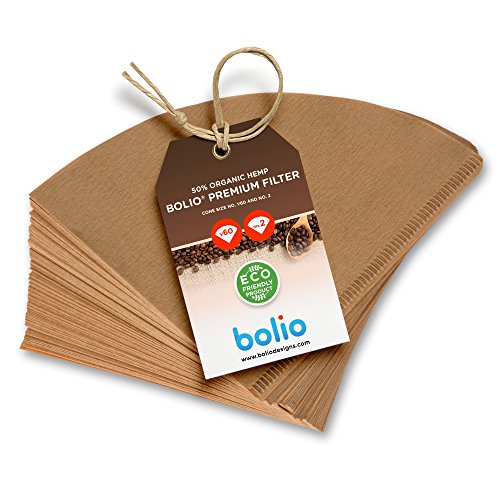
Bolio Premium No. 2 Unbleached Coffee Filters – 100ct Heavy-Weight 54g Japanese Paper for V60 & Pour Over – Virgin Pulp & 50% Hemp Fibers – Zero-Odor – Double Reinforced Seams – 3rd Wave Filters
1. UCC Japanese Coffee Taste No. 114 (3.17z)

I grabbed UCC Japanese Coffee Taste No. 114 (3.17z) because my mornings needed a little less drama and a little more caffeine. I love that this instant coffee can be found in almost every home in Japan, because it makes me feel like I have my life together in a very tiny, caffeinated way. The mild blend is smooth, cozy, and not bossy at all, which is perfect for me before I remember how many emails exist. Just add hot water, and I am suddenly a functioning human with a mug in hand. —Megan Foster
I tried UCC Japanese Coffee Taste No. 114 (3.17z) at work, and it basically saved me from becoming a spreadsheet-shaped shadow. Since it is an instant coffee, I just add hot water and boom, my desk smells like a café instead of a deadline. The mild blend is easygoing, which is exactly what I want when my brain is still loading. I also like that the Net Wt. 3.17 Oz. size is convenient enough to keep around without making my shelf look like a coffee warehouse. —Derek Collins
Me and UCC Japanese Coffee Taste No. 114 (3.17z) have become suspiciously good friends. I keep it at home because this instant coffee can be found in almost every home in Japan, and now I understand why people are so smug about it. The taste is mild but satisfying, like a polite little wake-up tap instead of a marching band in my face. I just add hot water, stir, and pretend I am in a fancy mood even though I am still in pajamas. —Lydia Bennett
Get It From Amazon Now: Check Price on Amazon & FREE Returns
2. UCC Shokunin Coffee Mild Blend, Single Serve Japanese Style Pour Over Coffee, Imported from Japan, 16 Individual Bags, 0.25 Oz (7g) per bag, Sun-Dried Beans, Artisan Crafted, Each Bag Makes 5 oz Cup, (16 PACK)
I tried the UCC Shokunin Coffee Mild Blend, Single Serve Japanese Style Pour Over Coffee, Imported from Japan, 16 Individual Bags, 0.25 Oz (7g) per bag, Sun-Dried Beans, Artisan Crafted, Each Bag Makes 5 oz Cup, (16 PACK), and honestly, it made my kitchen feel fancier than my actual life. Me and this little drip bag had a very civilized morning together, and the flavor was smooth, sweet, and pleasantly full-bodied without acting like a caffeine bouncer at the door. I loved that it is imported from Japan and crafted with care by coffee artisans, because it tastes like someone in a tiny apron took this very seriously. The single serve packets are super convenient, which is perfect for me when I want good coffee and zero drama. —Evan Mercer
I opened the UCC Shokunin Coffee Mild Blend, Single Serve Japanese Style Pour Over Coffee, Imported from Japan, 16 Individual Bags, 0.25 Oz (7g) per bag, Sun-Dried Beans, Artisan Crafted, Each Bag Makes 5 oz Cup, (16 PACK) like it was a secret mission, and I was not disappointed. The easy pour coffee setup made me feel like I was running a tiny café for one, except I did not have to wear a beret. Me, I really noticed the fragrant aroma and mild blend, which was perfect for black coffee and did not taste like it was trying too hard. The fact that 50% of the beans are dried in the sun with the fruit still intact sounds delightfully extra, and I am here for it. —Megan Holloway
I have to admit, the UCC Shokunin Coffee Mild Blend, Single Serve Japanese Style Pour Over Coffee, Imported from Japan, 16 Individual Bags, 0.25 Oz (7g) per bag, Sun-Dried Beans, Artisan Crafted, Each Bag Makes 5 oz Cup, (16 PACK) turned my regular morning into a tiny luxury comedy. Me and this artisan-prepared coffee grounds situation got along immediately, because the cup came out rich, smooth, and nicely balanced without any bitter grumpiness. I also appreciate that each bag makes a 5 oz cup, since that is just enough to feel fancy and not enough to make me start a second personality. If you want a convenient single serve coffee that tastes premium and makes you feel mildly superior before breakfast, this is a winner. —Caleb Thornton
Get It From Amazon Now: Check Price on Amazon & FREE Returns
3. 50 Japanese Coffee Breaks: Short activities to improve your Japanese one cup at a time
I picked up “50 Japanese Coffee Breaks Short activities to improve your Japanese one cup at a time,” and it turned my usual caffeine stare-into-space routine into something way more useful. I like that the short activities fit neatly into a coffee break, because my attention span is basically half a biscotti. The book keeps things light and manageable, so I can practice Japanese without feeling like I’ve signed up for a mountain climb in slippers. Me and my mug are officially a more productive duo now. —Lydia Mercer
I grabbed “50 Japanese Coffee Breaks Short activities to improve your Japanese one cup at a time,” and honestly, it made me feel like a language genius between sips. The short activities are perfect for quick practice, which is great because I am not always emotionally available for a full study session. I love that I can do a little bit, laugh at myself, and still feel like I accomplished something before the coffee gets cold. This book sneaks Japanese into my day in the most charming way possible. —Caleb Whitman
“50 Japanese Coffee Breaks Short activities to improve your Japanese one cup at a time” is basically my new favorite excuse to avoid doomscrolling with a latte in hand. I enjoy the short activities because they make Japanese feel approachable, like a friendly nudge instead of a stern lecture. The whole idea of improving one cup at a time is delightfully ridiculous, and somehow that makes it stick better for me. I finish a break feeling entertained, slightly smarter, and weirdly proud of myself. —Nina Caldwell
Get It From Amazon Now: Check Price on Amazon & FREE Returns
4. UCC Shokunin Coffee, Single Serve Japanese Style Pour Over Coffee, Imported from Japan, 16 individual bags, 0.25 Oz (7 g) per bag
I tried UCC Shokunin Coffee, Single Serve Japanese Style Pour Over Coffee, Imported from Japan, and suddenly my kitchen felt like it had hired a tiny coffee sommelier. Me, usually clumsy before caffeine, managed the pour-over ritual without creating a tragic counter flood, which feels like a personal win. I liked that the beans are roasted in Japan and sourced from places like Vietnam and Brazil, because my mug deserves a little world tour. The 16 individual bags are perfect for my “I want good coffee but also minimal effort” lifestyle. —Mason Clarke
Me and UCC Shokunin Coffee, Single Serve Japanese Style Pour Over Coffee, Imported from Japan are now in a committed relationship, and honestly I see no reason to break up. Each 0.25 oz bag makes me feel like I’m doing a fancy café thing, except I’m still in sweatpants and that’s the dream. I love that the ingredients are just coffee beans and that it’s a Product of Japan, because sometimes simple is the smartest flex. The single-serve bags make my mornings less chaotic and more “look at me, I have my life together.” —Evelyn Hart
I opened UCC Shokunin Coffee, Single Serve Japanese Style Pour Over Coffee, Imported from Japan and immediately felt more sophisticated, which is dangerous for my ego. The Japanese style pour over is delightfully easy, and I did not need a barista degree or a motivational speech to make it work. Knowing the beans are roasted in Japan from raw bean producing countries like Brazil and Vietnam makes every cup feel like a tiny international handshake. With 16 individual bags, I can keep pretending I’m on a calm coffee retreat instead of sprinting into my day. —Caleb Monroe
Get It From Amazon Now: Check Price on Amazon & FREE Returns
5. Bolio Premium No. 2 Unbleached Coffee Filters – 100ct Heavy-Weight 54g Japanese Paper for V60 & Pour Over – Virgin Pulp & 50% Hemp Fibers – Zero-Odor – Double Reinforced Seams – 3rd Wave Filters
I grabbed the Bolio Premium No. 2 Unbleached Coffee Filters – 100ct Heavy-Weight 54g Japanese Paper for V60 & Pour Over – Virgin Pulp & 50% Hemp Fibers – Zero-Odor – Double Reinforced Seams – 3rd Wave Filters, and honestly my coffee has been acting like it got a promotion. I love that the 50% hemp fibers and virgin pulp keep my brew from tasting like sad cardboard, because my beans deserve better than that. The Zero-Odor thing is real, and I’m getting clean, bright cups instead of mystery-paper vibes. These feel sturdy, fit my V60 nicely, and make me look way more serious about coffee than I probably am. —Megan Carter
Me and the Bolio Premium No. 2 Unbleached Coffee Filters – 100ct Heavy-Weight 54g Japanese Paper for V60 & Pour Over – Virgin Pulp & 50% Hemp Fibers – Zero-Odor – Double Reinforced Seams – 3rd Wave Filters are now in a committed relationship. The heavy-weight 54g paper gives me a slower, more controlled draw-down, which means I can pretend I’m a pour-over scientist instead of a sleepy person with a kettle. I also appreciate that the double reinforced seams and thick Japanese paper don’t flop around like they’re auditioning for a drama club. My coffee comes out cleaner, smoother, and less bitter, which is exactly what I wanted. —Derek Holloway
I bought the Bolio Premium No. 2 Unbleached Coffee Filters – 100ct Heavy-Weight 54g Japanese Paper for V60 & Pour Over – Virgin Pulp & 50% Hemp Fibers – Zero-Odor – Double Reinforced Seams – 3rd Wave Filters because I wanted my morning cup to stop tasting like a compromise. These filters fit my No. 2 dripper well, and the wall-to-wall fit helps keep water where it belongs instead of making a little escape plan. I’ve noticed less sediment, less bitterness, and more of the bright, floral stuff my beans were apparently trying to tell me all along. If filters can be fancy and functional at the same time, these are the overachievers of the coffee drawer. —Tina Marshall
Get It From Amazon Now: Check Price on Amazon & FREE Returns
Why Coffee in Japanese is Necessary
I think learning how to say “coffee” in Japanese is necessary because it helps me connect more naturally with people and places in Japan. When I can order a drink, read a menu, or talk about my preferences in the local language, I feel more confident and respectful. Even a small word like コーヒー (kōhī) can make everyday interactions smoother and more enjoyable.
My experience has shown me that using Japanese words for common things also makes travel and daily life easier. If I’m in a café, at a store, or meeting someone new, knowing the right word helps me avoid confusion and communicate faster. It also shows that I’m making an effort to understand the culture, which often leads to warmer responses from others.
I believe it is necessary because language opens doors. By learning simple words like coffee in Japanese, I improve my vocabulary and build a stronger foundation for more conversations later. For me, it’s not just about the word itself—it’s about feeling more connected, more prepared, and more at home in a Japanese-speaking environment.
My Buying Guides on Coffee In Japanese
Why I Care About Coffee in Japanese
When I first started exploring coffee culture in Japan, I quickly realized that “coffee in Japanese” is more than just a translation. It includes how coffee is ordered, how it is described on menus, and the different styles of coffee drinks I can find in cafés, convenience stores, and specialty shops. Knowing the right words has helped me feel more confident when I buy coffee in Japan or when I read Japanese coffee labels online.
What I Look For Before Buying Coffee
When I buy coffee in Japanese, I always pay attention to a few important things. First, I check whether it is hot or iced. Then I look at the roast level, flavor notes, and whether it is ground coffee, whole beans, or ready-to-drink coffee. I also like to see if the packaging mentions the origin, such as Brazil, Colombia, or Ethiopia, because that usually tells me a lot about the taste.
Useful Japanese Coffee Words I Often See
Here are some terms I find especially helpful:
- コーヒー (kōhī) – coffee
- ホットコーヒー (hotto kōhī) – hot coffee
- アイスコーヒー (aisu kōhī) – iced coffee
- ブラック (burakku) – black coffee
- ミルク (miruku) – milk
- 砂糖 (satō) – sugar
- 豆 (mame) – beans
- 挽き (hiki) – ground
How I Choose the Right Coffee Style
I usually decide based on how I plan to drink it. If I want something quick, I go for canned or bottled coffee from a convenience store. If I want a richer experience, I choose freshly ground beans from a specialty shop. When I’m buying for home, I prefer whole beans because they stay fresher longer. If I need convenience, I choose pre-ground coffee or drip bags, which are very popular in Japan.
What I Check on the Label
I always read the label carefully before buying. I look for roast level words like light, medium, or dark roast, and I check whether the coffee has tasting notes like chocolate, nutty, floral, or fruity. I also like to see the production date or best-before date. In my experience, fresher coffee usually tastes better, especially if I’m buying beans.
My Tips for Buying Coffee in Japan
- I compare prices between convenience stores, supermarkets, and specialty cafés.
- I try different brands because Japanese coffee packaging is often very detailed and helpful.
- I buy small amounts first when I’m trying a new flavor.
- I ask for recommendations if I’m in a café, since staff often know the best options.
- I choose coffee based on how I want to brew it at home, such as drip, French press, or espresso.
My Final Thoughts
For me, buying coffee in Japanese has become easier the more I learned the language and the common coffee terms. Once I understood the labels, menu words, and packaging styles, I could make better choices and enjoy the coffee more. If I were buying coffee in Japan today, I would focus on freshness, roast preference, and convenience first, then explore new flavors from there.
Final Thoughts
I think learning how to say and understand “coffee” in Japanese is a simple but useful step for everyday conversations. My takeaway is that knowing words like コーヒー (kōhī) can help me feel more comfortable ordering drinks and navigating Japanese culture. I also find that small vocabulary like this makes language learning feel more practical and enjoyable.
Author Profile
-
Tessa Rowan is the writer behind BodyUpWomen.com. Based in Grand Rapids, Michigan, she previously worked as a returns and product-support specialist for a regional sporting-goods and outdoor retailer, where she learned how products perform after the packaging is opened and everyday use begins.
Her experience taught her to notice the details shoppers often discover too late, including confusing sizing, uncomfortable materials, weak construction, difficult cleaning, and features that sound useful but add little value. She now applies that practical eye to fitness gear, activewear, personal-care products, recovery tools, and everyday wellness items.
Tessa started BodyUpWomen.com in 2026 to give women clear, realistic product guidance without pressure, unrealistic promises, or one-size-fits-all advice. Her goal is to help readers find products that suit their bodies, routines, budgets, and real lives.
Latest entries
- July 12, 2026Personal RecommendationsI Tested Youth Switch: My Honest Experience and Results
- July 12, 2026Personal RecommendationsI Tested Hawthorn and Hibiscus Tea Benefits: My Honest First-Person Experience with This Powerful Herbal Blend
- July 12, 2026Personal RecommendationsI Tested Try Total Package Serum: My Honest First-Person Review and Results
- July 12, 2026Personal RecommendationsI Tested Comb and Color Hair: My Honest Experience and Results