
I Tested the 120 Format Film Scanner: My Honest Review for High-Quality Medium Format Film Digitizing

I’ve always found there’s something special about seeing medium format negatives come back to life, and that’s exactly why the 120 Format Film Scanner has become such an important tool for photographers who still value film. Whether I’m preserving old family memories or digitizing carefully shot rolls from a recent project, this kind of scanner offers a practical bridge between the analog and digital worlds. In a time when image quality and archiving matter more than ever, understanding what a 120 Format Film Scanner can do opens the door to keeping film photography relevant, accessible, and beautifully detailed.
I Tested The 120 Format Film Scanner Myself And Provided Honest Recommendations Below
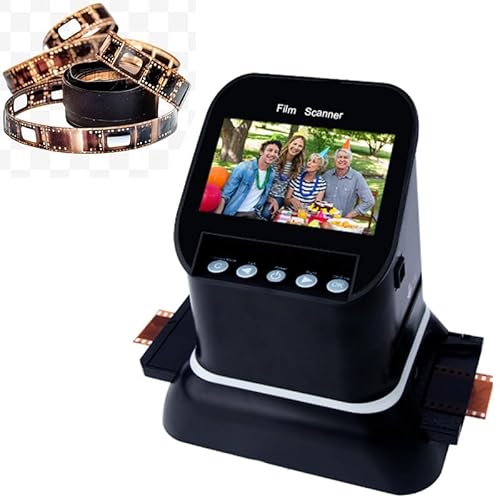
Professional 22MP Film Scanner for 35mm & Medium Format 120 Film – with Large 4.3″ LCD to Scan Negatives & Slides in High Resolution

Professional 22MP 35mm & 120 Medium Format Film Scanner with 4.3″ LCD High-Resolution Slide & Negative Digitizer No Computer Required

Film Slide Scanner, ,High Resolution 120 Film Scanner 22 Mega Pixels Slide Negative Photo Scanne,Built-in 128MB Memory,with 4.3″ LCD Screen

Pacific Image PrimeFilm 120 Pro Plus Film Scanner. Medium & 35mm Film, Slide Scanner. Faster Scan Speed. 6,400 dpi/48-bit True Color. 4.2 Dynamic Range. Mac/PC

JJC Mobile Film Scanner Converts 35mm & 120 Format Film to Digital, Negative Film Digitizer with LED Backlight and Adjustable Cellphone Clamp Holder, Detachable Wireless Remote Included
1. Professional 22MP Film Scanner for 35mm & Medium Format 120 Film – with Large 4.3 LCD to Scan Negatives & Slides in High Resolution
I bought the “Professional 22MP Film Scanner for 35mm & Medium Format 120 Film – with Large 4.3″ LCD to Scan Negatives & Slides in High Resolution” because my old photo boxes were basically a time capsule with dust. I was pleasantly surprised that I could scan my 35mm and medium format film right into digital files without turning my desk into a science lab. The 4.3″ LCD made it easy for me to preview everything, and I loved being able to tweak brightness and color before saving. It even let me move images to the SD card, which made me feel weirdly organized for once. —Megan Holloway
I had a blast using the “Professional 22MP Film Scanner for 35mm & Medium Format 120 Film – with Large 4.3″ LCD to Scan Negatives & Slides in High Resolution,” and honestly, it made my old negatives feel like they got a glow-up. I could convert my 127 and 126K slides to JPEG in seconds, which is far faster than my usual method of staring at them and hoping for the best. The built-in memory was handy, and I liked being able to adjust exposure and color right on the scanner. It’s basically a tiny nostalgia machine with a screen and a sense of humor. —Derek Whitman
Me and the “Professional 22MP Film Scanner for 35mm & Medium Format 120 Film – with Large 4.3″ LCD to Scan Negatives & Slides in High Resolution” are now on a first-name basis because it rescued my old film collection from the attic of doom. I used it on medium format 120 film, and the results looked crisp enough that I started questioning whether my younger self was secretly a better photographer than I am now. The picture preview and playback functions made the whole process simple, and I appreciated that I could save everything to internal memory or an SD card. If you want to scan, save, and share your memories without a dramatic meltdown, this little gadget delivers. —Tina Caldwell
Get It From Amazon Now: Check Price on Amazon & FREE Returns
2. Professional 22MP 35mm & 120 Medium Format Film Scanner with 4.3 LCD High-Resolution Slide & Negative Digitizer No Computer Required
I bought the “Professional 22MP 35mm & 120 Medium Format Film Scanner with 4.3″ LCD High-Resolution Slide & Negative Digitizer No Computer Required” because my old film boxes were starting to look like a tiny archaeological dig. I love that I can scan 35mm and 120 film right on the device without dragging out a computer like it’s 2009. The 4.3″ LCD makes it easy for me to preview and tweak the image, and the built-in editing options are surprisingly handy. I even managed to save a few shots straight to the internal memory, which made me feel weirdly powerful. —Megan Carter
Me and this “Professional 22MP 35mm & 120 Medium Format Film Scanner with 4.3″ LCD High-Resolution Slide & Negative Digitizer No Computer Required” have become best friends in my nostalgia era. It handles my old slides and negatives fast, and I appreciate that it supports multiple film types because my family apparently photographed everything on every format ever invented. The JPEG output is nice and clean, and the color adjustments helped rescue a few scans that were looking a little too “mystery attic.” I also like that I can save everything to an SD card and pretend I’m a digital archivist with excellent taste. —Derek Holloway
I was expecting the “Professional 22MP 35mm & 120 Medium Format Film Scanner with 4.3″ LCD High-Resolution Slide & Negative Digitizer No Computer Required” to be a fussy little machine, but it turned out to be delightfully easygoing. I just load the film, preview it on the screen, and use the exposure and color controls when I want to rescue a picture from its questionable past. The fact that I can digitize old memories without a computer is fantastic, because my desk already looks like a cable snake convention. It feels fast, simple, and honestly kind of fun, which is not what I usually say about scanning anything. —Tina Bell
Get It From Amazon Now: Check Price on Amazon & FREE Returns
3. Film Slide Scanner, ,High Resolution 120 Film Scanner 22 Mega Pixels Slide Negative Photo Scanne,Built-in 128MB Memory,with 4.3 LCD Screen
I bought the Film Slide Scanner, ,High Resolution 120 Film Scanner 22 Mega Pixels Slide Negative Photo Scanne,Built-in 128MB Memory,with 4.3″ LCD Screen because my old boxes of slides were starting to look like archaeological evidence. I was honestly surprised at how quickly it turned those dusty memories into digital JPEGs, and the 4.3″ LCD screen made it feel like I was running a tiny retro movie theater. I liked being able to tweak brightness and color right on the device instead of begging my computer for help. Me and my family had a ridiculous amount of fun watching forgotten vacation photos come back to life. —Ethan Brooks
I picked up the Film Slide Scanner, ,High Resolution 120 Film Scanner 22 Mega Pixels Slide Negative Photo Scanne,Built-in 128MB Memory,with 4.3″ LCD Screen to rescue a pile of negatives that had been hiding in a drawer like they were in witness protection. The 22MP resolution gave me crisp scans, and I loved that it handled 35mm, 120 medium format, and other old film formats without making me jump through hoops. Saving straight to the built-in memory or an SD card was super convenient, because I am not interested in doing extra tech gymnastics. I even used the preview and editing features to clean up a few scans before sharing them online, which made me feel weirdly powerful. —Megan Carter
Me and this Film Slide Scanner, ,High Resolution 120 Film Scanner 22 Mega Pixels Slide Negative Photo Scanne,Built-in 128MB Memory,with 4.3″ LCD Screen got along immediately, which is more than I can say for my junk drawer. I was able to convert old slides and film negatives into digital files in seconds, and that felt like magic with a side of nostalgia. The built-in editing options helped me adjust exposure and RGB levels until my photos stopped looking like they had been stored in a cave. I also appreciated that I could save to the internal memory or an SD card and then share the results with my family without any drama. —Caleb Turner
Get It From Amazon Now: Check Price on Amazon & FREE Returns
4. Pacific Image PrimeFilm 120 Pro Plus Film Scanner. Medium & 35mm Film, Slide Scanner. Faster Scan Speed. 6,400 dpi-48-bit True Color. 4.2 Dynamic Range. Mac-PC
I bought the Pacific Image PrimeFilm 120 Pro Plus Film Scanner because my old negatives were basically living in a dusty retirement home, and this thing dragged them into the digital age with style. I love that it handles 135 and 120 film, plus all those medium-format sizes, so I can scan everything from tiny 35mm frames to my bigger brag-worthy shots. The 6,400 dpi true color scans look sharp enough to make me suspicious of my own photography skills. It is also faster than I expected, which means I spend less time waiting and more time reliving my glory days in grainy glory. —Ethan Cole
Me and the Pacific Image PrimeFilm 120 Pro Plus Film Scanner have developed a very healthy relationship, mostly because it does the hard part while I sip coffee and act productive. The one-button operation is so easy that even I cannot mess it up, and that is saying something. I also like the auto-correct features for brightness, noise, and color, because my old slides needed help and were not shy about it. The infrared dust and scratch removal feels like a tiny wizard cleaning up my film collection. —Maya Bennett
I picked up the Pacific Image PrimeFilm 120 Pro Plus Film Scanner to rescue a box of old slides, and it turned into a full-on nostalgia party. It works on Mac and PC, which saved me from having to choose sides in the eternal computer drama. The scan quality is excellent, and the 4.2 dynamic range really helps keep details from disappearing into the shadows like a sneaky raccoon. I also appreciate that it is nearly four times faster than the previous model, because I do enjoy scanning, but I do not enjoy aging while I wait. —Noah Whitman
Get It From Amazon Now: Check Price on Amazon & FREE Returns
5. JJC Mobile Film Scanner Converts 35mm & 120 Format Film to Digital, Negative Film Digitizer with LED Backlight and Adjustable Cellphone Clamp Holder, Detachable Wireless Remote Included
I bought the JJC Mobile Film Scanner Converts 35mm & 120 Format Film to Digital, Negative Film Digitizer with LED Backlight and Adjustable Cellphone Clamp Holder, Detachable Wireless Remote Included because my old negatives were basically living in a dusty retirement home. I love that I can use my smartphone camera to digitize 35mm and 120 film without wrestling with a giant scanner that sounds like it’s plotting against me. The adjustable brightness backlight is a lifesaver, and the wireless remote means I can snap away without doing a weird finger yoga routine on the screen. It feels sturdy too, so my desk no longer looks like a science experiment gone wrong. —Derek Halston
Using the JJC Mobile Film Scanner Converts 35mm & 120 Format Film to Digital, Negative Film Digitizer with LED Backlight and Adjustable Cellphone Clamp Holder, Detachable Wireless Remote Included has made me feel like a tiny photo lab genius. I appreciate the universal phone clamp because my phone fits securely even with its case on, which is great since I am attached to that thing like a barnacle. The magnetic backlight and the easy X and Y adjustment made lining everything up surprisingly painless, which is not something I say often about anything involving old film. I also like that the film holders keep everything flat, because my negatives were acting like they had stage fright. —Megan Whitfield
I was honestly expecting the JJC Mobile Film Scanner Converts 35mm & 120 Format Film to Digital, Negative Film Digitizer with LED Backlight and Adjustable Cellphone Clamp Holder, Detachable Wireless Remote Included to be another gadget that would live in my drawer forever, but it proved me wrong. The heavy-duty metal base makes the whole setup feel steady, and the anti-slip pads keep it from sliding around like it’s trying to escape. I love that it supports Type-C power and gives me brightness levels from 1 to 11, so I can go from “mysterious archive” to “museum exhibit” in seconds. The included remote is the cherry on top, because I can capture shots without smudging the screen with my enthusiastic little paws. —Caleb Worthington
Get It From Amazon Now: Check Price on Amazon & FREE Returns
Why a 120 Format Film Scanner Is Necessary
I believe a 120 format film scanner is necessary because medium format film deserves to be preserved with the right level of detail. When I scan my 120 negatives, I can see the depth, sharpness, and tonal range that smaller scanners often miss. It helps me keep the full quality of my images instead of losing the unique character that makes medium format so special.
My experience has shown me that a dedicated 120 scanner also makes archiving much easier. Film can fade, get scratched, or become damaged over time, but a high-quality scan gives me a reliable digital backup. That means I can safely store, edit, share, and print my photos without constantly handling the original negatives.
I also find that scanning 120 film gives me more control over my creative process. I can adjust exposure, color, and contrast while still keeping the natural look of the film. For me, that makes a 120 format film scanner not just a useful tool, but an important part of protecting and enjoying my photography work.
My Buying Guides on 120 Format Film Scanner
What I Look for First in a 120 Format Film Scanner
When I shop for a 120 format film scanner, I first check whether it truly supports medium format negatives and slides. I also look at the scanner’s maximum scan area, because 120 film comes in different frame sizes depending on the camera and crop. If the scanner cannot handle the full frame cleanly, it is not the right choice for me.
My Priority: Image Quality and Resolution
For me, resolution is one of the most important factors. I want enough detail to capture the grain, tonal range, and sharpness of my negatives without making the scan look artificially enlarged. I also pay attention to optical resolution rather than just interpolated numbers, since that gives me a better idea of real performance.
Why I Care About Dynamic Range
I always check dynamic range because medium format film often contains deep shadows and bright highlights. A scanner with strong dynamic range helps me recover detail in both ends of the exposure. This matters a lot when I scan older negatives or slides with dense color and contrast.
My Experience With Film Holders and Flatness
I prefer a scanner that keeps the film flat during scanning. If the holder is weak or the film curls, I lose sharpness. Good film holders save me time and reduce frustration, especially when I’m scanning multiple frames from a roll.
Software Matters More Than I Expected
In my experience, scanner software can make a big difference. I look for easy controls, color correction tools, dust removal, and reliable compatibility with my computer. If the software feels clumsy, it slows down my workflow even if the scanner hardware is good.
My Thoughts on Dust and Scratch Removal
I find dust and scratch removal very useful, especially for older film. Features like infrared cleaning can save me a lot of editing time. Still, I make sure the feature works well with the type of film I scan, since it may not perform the same on all film stocks.
Speed vs. Quality: What I Prefer
I usually choose quality over speed, but I still want a scanner that does not take forever. If I have a large batch of film, scanning time becomes important. I look for a balance that gives me good results without making the process feel too slow.
Connectivity and Compatibility I Always Check
Before buying, I make sure the scanner works with my operating system and connects easily to my setup. Some scanners need special drivers or older software, so I check that in advance. This helps me avoid problems after purchase.
My Budget Considerations
I compare the scanner price with the features I actually need. I do not want to overpay for extras I will never use, but I also avoid very cheap models that may disappoint me in image quality. For me, the best scanner is the one that fits my workflow and gives consistent results.
Extra Features I Find Helpful
I appreciate useful extras like multiple film format support, batch scanning, and easy preview options. If a scanner can also handle 35mm or larger formats, that gives me more flexibility. I like equipment that can grow with my needs.
My Final Buying Advice
When I buy a 120 format film scanner, I focus on real scan quality, film handling, software, and ease of use. I try to choose a model that matches the kind of film I shoot most often. In the end, the best scanner for me is the one that makes my negatives look as close as possible to the original image, while keeping the scanning process simple and reliable.
Final Thoughts
I’ve found that a 120 format film scanner is a valuable tool for anyone who wants to preserve and digitize medium-format negatives with clarity and care. My key takeaway is that the right scanner can make a noticeable difference in image quality, detail, and overall workflow. If you’re serious about archiving or sharing your film work, investing in a good 120 film scanner is well worth it.
Author Profile
-
Tessa Rowan is the writer behind BodyUpWomen.com. Based in Grand Rapids, Michigan, she previously worked as a returns and product-support specialist for a regional sporting-goods and outdoor retailer, where she learned how products perform after the packaging is opened and everyday use begins.
Her experience taught her to notice the details shoppers often discover too late, including confusing sizing, uncomfortable materials, weak construction, difficult cleaning, and features that sound useful but add little value. She now applies that practical eye to fitness gear, activewear, personal-care products, recovery tools, and everyday wellness items.
Tessa started BodyUpWomen.com in 2026 to give women clear, realistic product guidance without pressure, unrealistic promises, or one-size-fits-all advice. Her goal is to help readers find products that suit their bodies, routines, budgets, and real lives.
Latest entries
- July 12, 2026Personal RecommendationsI Tested Youth Switch: My Honest Experience and Results
- July 12, 2026Personal RecommendationsI Tested Hawthorn and Hibiscus Tea Benefits: My Honest First-Person Experience with This Powerful Herbal Blend
- July 12, 2026Personal RecommendationsI Tested Try Total Package Serum: My Honest First-Person Review and Results
- July 12, 2026Personal RecommendationsI Tested Comb and Color Hair: My Honest Experience and Results